Giraffe Dream: A Quirky Handwritten Font for Magical Branding Projects
Giraffe Dream in a Bakery Branding Project: First Impressions
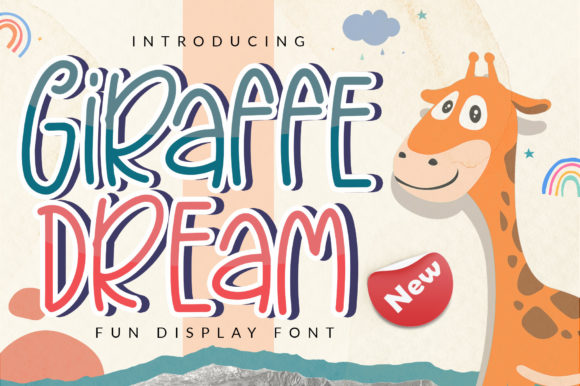
I recently opened a blank brand board for a local artisan bakery looking to refresh their packaging and social media presence. The brief asked for something warm, approachable, and a little whimsical—perfect territory for a Script Handwritten font like Giraffe Dream. I dropped it into the logo draft first, and right away, it gave off that playful, handcrafted energy the client wanted. The letters have a bouncy rhythm and a slight tilt, like they’re dancing across the page. It’s not overly polished, which works well for small businesses aiming to feel personable and unique.
Giraffe Dream for Logo Design and Brand Identity
Testing Giraffe Dream on a logo concept, I found it performed best as a primary logotype for brands that lean into charm and personality. It’s not a one-size-fits-all font—it shines brightest in niche branding like bakeries, handmade shops, or creative studios. The font has a light-hearted bounce and a modern whimsy that reads more “handwritten by a friend” than “corporate signature.” It’s ideal for brands that want to stand out with a personal touch without veering into overly cutesy territory. That said, I wouldn’t recommend it for law firms or financial services—its playful nature just doesn’t align with those audiences.
Using Giraffe Dream in Packaging Design and Product Labels
I placed Giraffe Dream on a packaging mockup for custom cookie boxes and immediately saw its appeal. The font’s soft curves and uneven baseline give it a hand-lettered feel that pairs beautifully with kraft paper, pastel tones, or vintage-style illustrations. It’s perfect for short phrases like “Handmade with Love” or “Small Batch Goodness.” However, I noticed that at smaller sizes—like on nutrition labels or ingredient lists—it starts to lose clarity. Giraffe Dream is best used as a display font or accent typeface rather than for extended reading.
Giraffe Dream for Social Media Graphics and Web Design
When I added Giraffe Dream to a homepage hero section and Instagram post layout, it gave the brand a warm, inviting digital presence. It pairs well with modern sans-serif fonts like Montserrat or Lato, creating a nice contrast between the organic script and clean typography. On the web, it rendered smoothly as a webfont, and I didn’t run into any loading issues. For social media, it added a human, approachable tone—great for lifestyle brands, wellness shops, or creative entrepreneurs. Just keep it to headlines and short captions to maintain readability.
Font Pairing and Design Flexibility with Giraffe Dream
One of the biggest pluses of Giraffe Dream as a Script Handwritten font is how well it plays with others. I tested it alongside serif fonts for a more classic look and with geometric sans fonts for a modern twist. The result was always balanced and visually engaging. It’s also worth noting that Giraffe Dream comes with a few stylistic alternates and ligatures, which gave me options for tweaking the look without losing its core personality. For a handwritten font, that level of flexibility is a big win.
Real-World Limitations and Testing Tips
While Giraffe Dream brings a lot to the table, it’s not without its constraints. As expected with most decorative handwritten fonts, it doesn’t hold up well in long body copy or small print. I wouldn’t use it for body text in editorial design or product manuals. Also, if your project leans more formal or corporate, this font might not be the best fit. Always test it in multiple contexts—logo, packaging, digital, print—before finalizing. And don’t forget to check the licensing terms, especially if you're using it in commercial design assets, merchandise, or templates.